







What is Margin?
Margin is the amount of money required to open and maintain a leveraged trading position. Instead of paying the full value of a trade upfront, traders deposit a portion of the total trade value, known as the margin requirement.
Leverage is the mechanism that allows traders to gain larger market exposure with a smaller initial deposit. While leverage can increase potential returns, it can also increase potential losses.
The required margin varies depending on the financial instrument and the level of leverage offered.
Trade Demo: Real trading conditions with zero risk
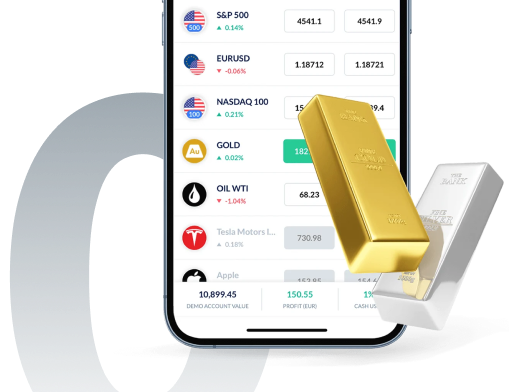
Trade risk-free on TradingMoon’s with a 10k* demo account.
What is a Margin Call?
A margin call is a notification that your account balance is no longer sufficient to maintain your open positions. This usually happens when the market moves against your trades, causing your available funds (also known as equity) to fall below the required margin level.
When a margin call occurs, you typically have two options:
- Deposit additional funds into your account
- Close some or all of your open positions
If no action is taken and losses continue to increase, positions may be automatically closed to prevent further losses.
How to Reduce the Risk of a Margin Call
There are several risk management practices that may help reduce the likelihood of receiving a margin call:
1. Use stop-loss orders
Setting stop-loss levels can help limit potential losses by automatically closing positions at a predefined price.
2 . Monitor your positions regularly
Financial markets can move quickly. Keeping track of your open trades helps you respond to changes before losses escalate.
3. Use leverage conservatively
Higher leverage increases market exposure and can also increase the risk of losses. Understanding how leverage affects your positions is an important part of risk management.
4. Manage your overall risk
Avoid overexposing your account to a single trade or market. Diversification and appropriate position sizing are important elements of responsible trading.


