


[[ data.name ]]
[[ data.ticker ]]
[[ data.price ]] [[ data.change ]] ([[ data.changePercent ]]%)
Minim: [[ data.low ]]
Maxim: [[ data.high ]]
Piața financiară a prețului cafelei
Piața cafelei reprezintă un segment esențial al pieței globale a mărfurilor soft, fiind cunoscută pentru tranzacționarea sa extinsă pe burse precum Intercontinental Exchange (ICE). Cafeaua este clasificată drept „marfă soft”, iar contractele sale futures sunt vitale pentru acoperirea riscurilor (hedging), investiții și prognoze de preț. Tranzacționarea contractelor futures pe cafea permite părților interesate, de la corporații multinaționale mari până la micii fermieri, să atenueze riscurile asociate fluctuațiilor prețului cafelei.
În sfera financiară, prețurile cafelei sunt influențate de numeroși factori, inclusiv dinamica cerere-ofertă, stabilitatea politică din principalele regiuni producătoare de cafea și condițiile economice globale. Graficul prețului cafelei oferă traderilor perspective valoroase, permițându-le să identifice tendințe și să prognozeze mișcările viitoare de preț, pe baza datelor istorice.
Pentru oricine dorește să cumpere cafea sau să vândă cafea, înțelegerea acestor nuanțe financiare este esențială. Investitorii privesc adesea contractele futures pe cafea ca parte a unui portofoliu diversificat de mărfuri, văzându-le ca pe o oportunitate de a profita de volatilitatea prețurilor. O strategie de tranzacționare a cafelei bine planificată implică nu doar speculații pe termen scurt, ci și prognoze pe termen lung, bazate pe predicția prețului cafelei.
Prețul cafelei, la fel ca alte mărfuri agricole, poate înregistra o volatilitate substanțială. De exemplu, un îngheț brusc în regiunile de cultivare a cafelei din Brazilia poate reduce oferta, declanșând o creștere a prețurilor. În plus, mișcările de preț sunt adesea afectate de peisajul economic mai amplu, inclusiv de ratele inflației și de fluctuațiile cursului valutar. Traderii apelează adesea la un calculator de preț al cafelei, pentru a determina punctele de intrare și ieșire pe aceste piețe volatile.
Prezentare generală a tendințelor actuale de preț ale cafelei
Începând cu decembrie 2024, prețurile cafelei au înregistrat fluctuații semnificative, cauzate atât de factori legați de ofertă, cât și de cerere. Prețul contractelor futures pe cafea, în special cele pe cafea Arabica, se tranzacționează la aproximativ 1,55 USD pe livră, reflectând o scădere față de maximele anterioare, când prețurile au depășit 2 USD pe livră. Această creștere de preț a fost determinată în mare parte de condițiile meteorologice nefavorabile din Brazilia, cel mai mare exportator de cafea din lume, și de instabilitatea politică din națiunile producătoare cheie.
Tendințele actuale de preț ale cafelei arată că piața se redresează într-o oarecare măsură de la maximele ultimilor ani. Cu toate acestea, ea rămâne sensibilă la perturbările continue. Potrivit Barchart, această volatilitate poate fi atribuită atât unor factori ciclici (precum perioadele de recoltare), cât și schimbărilor pe termen lung din obiceiurile de consum. Ascensiunea cafelei de specialitate și cererea tot mai mare pentru boabe organice și obținute etic remodelează piața. Consumatorii sunt din ce în ce mai dispuși să plătească un preț premium pentru aceste produse, determinând o creștere constantă a prețurilor în segmentele premium și de nișă ale pieței.
În același timp, efectele ulterioare ale pandemiei au dus la schimbări semnificative în modul în care este consumată cafeaua, mulți consumatori optând acum pentru prepararea la domiciliu, în locul achizițiilor din cafenele, afectând dinamica cererii. Pe măsură ce intrăm în 2025, experții anticipează o ușoară scădere a prețurilor, odată ce piața se stabilizează, cererea și oferta ajungând la un echilibru post-pandemic.
Tendințele actuale ale pieței cafelei
Cafeaua este mai mult decât o băutură zilnică; este o industrie de 20 de miliarde de dolari doar în SUA, potrivit analizei de piață realizate de Expert Market Research. Se estimează că sectorul va crește cu o rată anuală compusă de creștere (CAGR) de 3,99% până în 2032. Această creștere poate fi atribuită preferinței tot mai mari pentru cafele premium și de specialitate, precum și inovațiilor în prepararea cafelei, precum capsulele de unică folosință și sistemele de preparare mai avansate.
Tendința spre producția sustenabilă de cafea remodelează, de asemenea, piața. Consumatorii devin tot mai conștienți de impactul de mediu și social al achizițiilor lor, ceea ce duce la o creștere a cererii pentru cafea certificată Fair Trade și Rainforest Alliance. Aceste certificări asigură faptul că fermierii primesc o compensație echitabilă pentru munca lor și că cafeaua este produsă prin metode responsabile din punct de vedere ecologic. Ca urmare, mărcile oferă tot mai mult cafea obținută etic, care vine adesea cu un preț mai ridicat. Acest lucru creează o nouă dinamică de piață, în care prețul cafelei nu mai este determinat doar de cerere și ofertă, ci și de narativul sustenabilității.
O altă tendință semnificativă este creșterea capsulelor de cafea și a băuturilor de cafea gata de consum. Factorul de comoditate a dus la o creștere a cererii pentru aceste produse, în special în SUA și Europa. Companii precum Keurig, Nespresso și Starbucks au valorificat această tendință, generându-și veniturile prin soluții inovatoare de consum al cafelei.
Trecerea către prepararea cafelei la domiciliu este, de asemenea, notabilă. În timpul pandemiei, mulți consumatori de cafea au apelat la aparate de cafea de acasă, o tendință care se așteaptă să persiste. Consumatorii sunt acum mai bine informați despre diferitele tipuri de boabe de cafea, profilurile lor aromatice și modul de a prepara ceașca perfectă acasă.
Factori care afectează prețul cafelei și piața cafelei
Prețurile cafelei sunt influențate de diverși factori, de la schimbările climatice la speculația de piață. Înțelegerea acestor factori este crucială pentru oricine este implicat în tranzacționarea cafelei sau pentru consumatorii care doresc să înțeleagă structura de prețuri.
Condiții meteorologice și schimbări climatice
Cafeaua este extrem de sensibilă la vreme, în special în stadiile de înflorire și recoltare. Brazilia, care produce aproximativ o treime din cafeaua mondială, este deosebit de vulnerabilă la evenimente meteorologice nefavorabile, precum înghețurile, secetele și ploile abundente. Un îngheț în regiunile de cultivare a cafelei din Brazilia poate devasta culturile, provocând o creștere a prețurilor, așa cum s-a observat în 2021. Pe măsură ce schimbările climatice se intensifică, producția de cafea ar putea deveni și mai imprevizibilă, contribuind și mai mult la volatilitatea prețurilor.
Mișcările valutare
Deoarece cafeaua este tranzacționată în dolari americani, fluctuațiile valorii dolarului pot afecta semnificativ prețurile. Un dolar puternic face cafeaua mai scumpă pentru cumpărătorii internaționali, reducând potențial cererea din străinătate. Dimpotrivă, un dolar slab poate face cafeaua mai accesibilă pe piețele externe, stimulând cererea.
Perturbări ale lanțului de aprovizionare
Lanțul complex de aprovizionare al cafelei, care se întinde pe mai multe continente, este predispus la perturbări. Acestea pot apărea din cauza problemelor de transport, a grevelor de muncă sau a instabilității politice din țările producătoare de cafea. Orice perturbare a lanțului de aprovizionare poate duce la o penurie de boabe de cafea, determinând creșterea prețurilor.
Tendințele consumatorilor
Preferințele consumatorilor joacă, de asemenea, un rol important în determinarea prețurilor cafelei. Cererea în creștere pentru cafea organică, Fair Trade și de specialitate a împins prețurile premium în sus. Mai mult, tendințe precum ascensiunea cafelei cold brew și a cafelei nitro au creat piețe noi, care afectează cererea generală pentru diferite produse din cafea.
Speculații și tranzacționarea futures
Contractele futures pe cafea sunt adesea tranzacționate ca investiție speculativă, fondurile speculative și traderii de mărfuri cumpărând și vânzând pe baza mișcărilor de preț anticipate. Această speculație poate amplifica fluctuațiile de preț, ducând uneori la bule de preț. Traderii folosesc graficele de preț ale cafelei pentru a analiza tendințele istorice și a face predicții, dar aceste prognoze depind în mare măsură de evenimentele geopolitice, prognozele economice și rapoartele privind recoltele.
Alte mărfuri soft conexe afectate de evoluția prețului cafelei
Evoluția prețului cafelei are implicații ce depășesc doar piața cafelei. Cafeaua este strâns legată de alte mărfuri agricole, în special de cele clasificate drept „soft”, precum cacao și zahăr. Condițiile meteorologice nefavorabile care afectează producția de cafea pot afecta, de asemenea, aceste alte mărfuri, în special dacă fermierii din regiunile de cultivare cheie trebuie să redirecționeze resurse sau să reducă dimensiunea culturilor.
De exemplu, zonele producătoare de cafea din Brazilia sunt, de asemenea, furnizori-cheie de zahăr și cacao. Când prețurile cafelei cresc din cauza unei recolte slabe, acest lucru are adesea un efect de propagare asupra prețurilor altor mărfuri soft. În mod similar, prețurile cafelei pot fi influențate de factori economici mai ample, precum prețul petrolului, care afectează costurile de transport și, la rândul său, costul transportului boabelor de cafea din țările producătoare către consumatorii din întreaga lume.
Mai mult, modificările prețului cafelei pot influența companiile globale de alimente și băuturi. De exemplu, companii mari precum Nestlé și Starbucks sunt direct afectate de fluctuațiile prețului boabelor de cafea, deoarece trebuie să își ajusteze strategiile de prețuri pentru a-și menține marjele de profit. Aceste ajustări pot avea un efect în lanț asupra mărfurilor conexe, precum laptele, zahărul și chiar materialele de ambalare.
Concluzie
Piața cafelei este un sector dinamic și complex, determinat de o gamă largă de factori, de la evenimente climatice și mișcări valutare, până la tendințele consumatorilor și tranzacționarea speculativă. Ca marfă tranzacționată la nivel global, prețurile cafelei pot fluctua semnificativ, afectând atât producătorii, cât și consumatorii. Înțelegerea forțelor care modelează prețurile cafelei, precum tiparele meteorologice, tendințele pieței și condițiile economice, este esențială pentru oricine este implicat în industria cafelei, fie că achiziționează cafea pentru consum personal, tranzacționează contracte futures sau administrează o afacere cu cafea.
Creșterea cererii pentru cafea sustenabilă și de specialitate, alături de inovațiile în consumul de cafea, transformă piața cafelei. Pe măsură ce privim spre viitor, aceste tendințe, combinate cu provocări continue precum schimbările climatice, vor continua probabil să modeleze prețurile cafelei și dinamica pieței în anii următori.
| Swap lung | [[ data.swapLong ]] puncte |
|---|---|
| Swap scurt | [[ data.swapShort ]] puncte |
| Spread min | [[ data.stats.minSpread ]] |
| Spread mediu | [[ data.stats.avgSpread ]] |
| Dimensiune minimă contract | [[ data.minVolume ]] |
| Dimensiune minimă pas | [[ data.stepVolume ]] |
| Comision și swap | Comision și swap |
| Levier | Levier |
| Ore de tranzacționare | Ore de tranzacționare |
* Spread-urile furnizate reflectă media ponderată în timp. Deși TradingMoon depune eforturi pentru a oferi spread-uri competitive pe parcursul tuturor orelor de tranzacționare, clienții trebuie să rețină că acestea pot varia și sunt susceptibile la condițiile pieței subiacente. Cele de mai sus sunt furnizate doar în scop indicativ. Clienții sunt sfătuiți să verifice anunțurile importante de știri din Calendarul nostru Economic, care pot duce la lărgirea spread-urilor, printre alte situații.
Spread-urile de mai sus sunt aplicabile în condiții normale de tranzacționare. TradingMoon își rezervă dreptul de a modifica spread-urile de mai sus în funcție de condițiile pieței, conform „Termenilor și Condițiilor”.
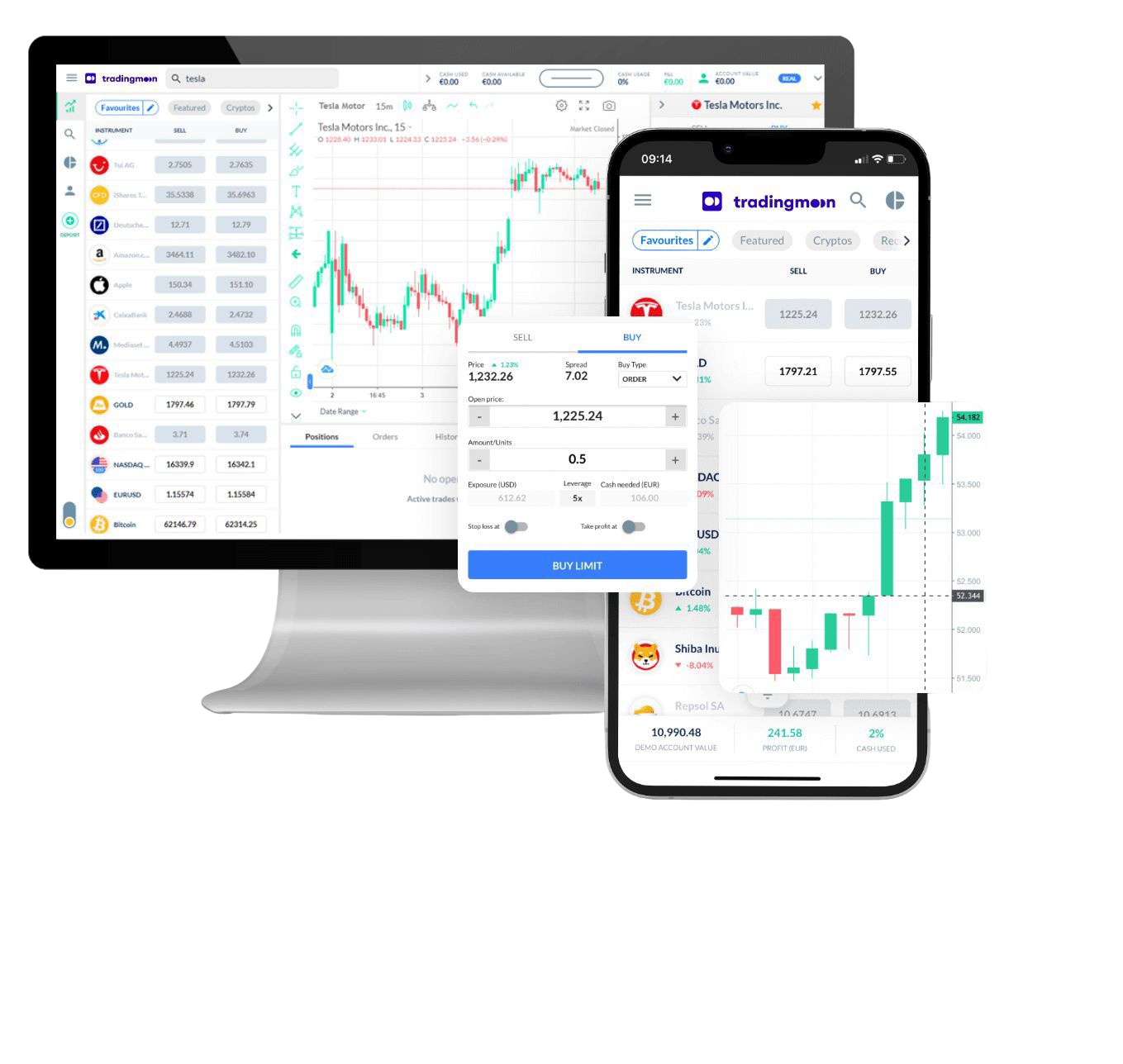
Tranzacționează [[data.name]] cu TradingMoon
Exprimați-vă opinia despre sectorul mărfurilor! Diversificați cu o singură poziție.
- Tranzacționați 24/5
- Spreaduri strânse
- Execuție medie la 5ms
- Platformă ușor de utilizat
De ce să tranzacționezi [[data.name]]
Profitați la maximum de fluctuațiile de preț - indiferent de direcția în care oscilează prețul și fără restricțiile care vin odată cu deținerea activului suport.
CFD-uri
Mărfuri fizice

Profitați de prețurile în creștere (luați o poziție long)


Capitalizați scăderea prețurilor

Tranzacționați cu efect de levier

Tranzacționează pe volatilitate

Fără comisioane
Doar spreaduri reduse

Gestionați riscul cu instrumente integrate în platformă
Posibilitatea de a seta niveluri de take profit și stop loss