


[[ data.name ]]
[[ data.ticker ]]
[[ data.price ]] [[ data.change ]] ([[ data.changePercent ]]%)
Minim: [[ data.low ]]
Maxim: [[ data.high ]]
Piața financiară a prețului bumbacului
Piața bumbacului este un actor important în sectorul mai amplu al mărfurilor soft. La fel ca în cazul altor mărfuri, prețurile bumbacului sunt influențate de factori economici globali, inclusiv cererea și oferta, condițiile meteorologice și tendințele piețelor financiare. Piața globală a bumbacului este determinată în principal de piața futures, unde traderii speculează mișcările de preț ale bumbacului. Contractele futures pe bumbac se tranzacționează de obicei pe burse precum Intercontinental Exchange (ICE), iar aceste contracte reprezintă un angajament de a cumpăra sau vinde bumbac la un preț prestabilit, la o dată viitoare. Acest mecanism asigură lichiditate și oferă descoperirea prețului, aspect esențial atât pentru traderi, producători, cât și pentru fermieri. Participanții la piață includ producători agricoli, traderi de mărfuri și speculatori, toți influențând fluctuațiile prețului bumbacului.
Piața financiară a înregistrat un interes tot mai mare pentru bumbac ca investiție în marfă, în special datorită legăturii sale cu alte sectoare, precum producția de îmbrăcăminte și piața agricolă mai amplă. Pentru investitorii care doresc să își diversifice portofoliile, înțelegerea volatilității pieței bumbacului, a modelelor de predicție a prețului și utilizarea unui calculator de preț al bumbacului reprezintă instrumente importante pentru a lua decizii informate.
Prezentare generală a tendințelor actuale de preț ale bumbacului
Prețurile bumbacului au înregistrat fluctuații determinate de mai mulți factori, precum modificările tiparelor meteorologice, evenimentele geopolitice și cererea globală. De exemplu, în 2024, prețurile bumbacului au oscilat între niveluri de suport și rezistență, situate în intervalul 83–89 USD pe livră. Această perioadă de evoluție a prețului oferă perspective valoroase investitorilor care iau în considerare fie cumpărarea bumbacului, fie vânzarea bumbacului. Acțiunile speculative de pe piață, precum achiziționarea de contracte futures pe bumbac în anticiparea creșterilor de preț, au contribuit la volatilitate. Prețurile au arătat tendințe ascendente pe termen scurt, determinate de cererea în creștere din partea unor țări precum China, cel mai mare importator de bumbac din lume.
Un grafic al bumbacului oferă o reprezentare vizuală a acestor fluctuații, fiind un instrument esențial pentru analiza pieței. Prin analizarea datelor istorice, se pot identifica tendințe recurente și se pot dezvolta strategii pentru mișcările viitoare de preț.
Tendințele actuale ale pieței bumbacului
În prezent, piața bumbacului se află într-o fază în care semnalele pe termen scurt arată o oportunitate de cumpărare, prețurile bumbacului prezentând o tendință ascendentă moderată, dar constantă. Deși există un anumit risc, indicat de procentele mici de volatilitate zilnică, sentimentul general al pieței înclină spre optimism, în special odată cu creșterea consumului de bumbac pe piețele emergente.
Unul dintre cele mai importante aspecte ale pieței bumbacului astăzi este corelația sa cu piețele agricole și textile mai ample. Pe măsură ce cererea pentru produsele din bumbac crește în țări precum India și China, prețurile bumbacului tind să crească, deși rămân susceptibile la fluctuații din cauza factorilor externi, precum tiparele meteorologice globale (secete, inundații) și perturbările lanțului de aprovizionare. Prețurile tind să crească brusc atunci când evenimentele meteorologice afectează negativ randamentele culturilor de bumbac, în special în țările producătoare majore, precum Statele Unite, India și China.
Mai mult, schimbările din industria textilă, inclusiv tranziția către bumbac sustenabil și organic, pot influența tendințele pieței. Acest impuls către sustenabilitate a dus la o cerere pentru soiuri de bumbac cu un impact ecologic redus, ceea ce ar putea afecta prețul bumbacului pe termen lung.
Factori care afectează prețul bumbacului și piața bumbacului
Mai mulți factori influențează prețurile bumbacului, de la dinamica globală a cererii și ofertei până la condițiile regionale specifice.
- Condiții meteorologice: Culturile de bumbac sunt extrem de sensibile la schimbările climatice. O secetă într-o regiune majoră producătoare de bumbac, precum Texas sau India, poate reduce semnificativ randamentul și poate determina creșterea prețurilor, din cauza ofertei limitate.
- Cererea globală: Bumbacul este materia primă principală pentru industria textilă. Prin urmare, orice creștere a cererii globale de îmbrăcăminte, în special în țările în curs de dezvoltare, poate determina creșterea prețurilor. Pe de altă parte, încetinirile economice sau schimbările în comportamentul consumatorilor, precum trecerea la materiale sintetice, pot reduce cererea și pot scădea prețurile.
- Politici guvernamentale și subvenții: În țările producătoare majore de bumbac, politicile guvernamentale, precum sprijinul de preț și subvențiile, pot influența oferta și, în cele din urmă, prețul bumbacului. Aceste politici pot fi o sabie cu două tăișuri, deoarece pot stabiliza prețurile pe termen scurt, dar pot duce, de asemenea, la supraofertă sau distorsiuni de preț în timp.
- Mișcările valutare: Deoarece bumbacul este tranzacționat la nivel global, fluctuațiile valutare, în special între dolarul american și alte valute, precum yuanul chinezesc, pot afecta piața. Un dolar mai puternic face, de regulă, bumbacul american mai scump pentru cumpărătorii internaționali, ceea ce poate reduce exporturile și afecta prețurile.
Alte mărfuri conexe afectate de evoluția prețului bumbacului
Bumbacul face parte dintr-o categorie mai amplă de mărfuri agricole, iar evoluția prețului său poate influența și poate fi influențată de alte mărfuri.
- Piețele textile și de îmbrăcăminte: Impactul cel mai direct se resimte asupra industriilor textile și de îmbrăcăminte, care depind în mare măsură de bumbac. Fluctuațiile prețului bumbacului pot duce la costuri mai mari sau mai mici pentru producători și, în cele din urmă, pot afecta prețurile de vânzare cu amănuntul ale îmbrăcămintei.
- Grâul și soia: Aceste culturi sunt adesea cultivate în aceleași regiuni ca bumbacul, iar condițiile meteorologice care afectează producția de bumbac pot afecta, de asemenea, alte mărfuri agricole, precum grâul și soia. În plus, schimbările în practicile agricole, determinate de condițiile de piață, pot duce la modificări ale deciziilor de plantare, influențând oferta și prețul bumbacului și al omologilor săi agricoli.
- Fibre naturale: Prețul bumbacului poate influența, de asemenea, alte fibre naturale, precum lâna și inul. Când prețurile bumbacului cresc semnificativ, producătorii pot căuta alternative, ceea ce poate crește cererea și prețurile pentru alte fibre.
Concluzie
Bumbacul rămâne una dintre cele mai importante mărfuri agricole la nivel global. Prețurile sunt influențate de o gamă complexă de factori, printre care vremea, cererea de pe piață, politicile guvernamentale și dinamica pieței financiare a tranzacționării futures pe bumbac. Privind spre viitor, monitorizarea acestor factori folosind instrumente precum o strategie de tranzacționare a bumbacului sau un model de predicție a prețului bumbacului va fi esențială pentru participanții la piață. Prin înțelegerea forțelor care modelează prețurile bumbacului și interconectarea sa cu piețele conexe, investitorii și traderii pot naviga mai bine prin suișurile și coborâșurile pieței bumbacului.
Pentru cei care doresc să aprofundeze analiza prețului bumbacului, un calculator de preț al bumbacului poate oferi informații utile în timp real, pentru o luare de decizii bine fundamentată. Fie că sunteți producător, trader sau fermier, a fi la curent cu aceste tendințe este esențial pentru succesul pe piața bumbacului, aflată în continuă evoluție.
| Swap lung | [[ data.swapLong ]] puncte |
|---|---|
| Swap scurt | [[ data.swapShort ]] puncte |
| Spread min | [[ data.stats.minSpread ]] |
| Spread mediu | [[ data.stats.avgSpread ]] |
| Dimensiune minimă contract | [[ data.minVolume ]] |
| Dimensiune minimă pas | [[ data.stepVolume ]] |
| Comision și swap | Comision și swap |
| Levier | Levier |
| Ore de tranzacționare | Ore de tranzacționare |
* Spread-urile furnizate reflectă media ponderată în timp. Deși TradingMoon depune eforturi pentru a oferi spread-uri competitive pe parcursul tuturor orelor de tranzacționare, clienții trebuie să rețină că acestea pot varia și sunt susceptibile la condițiile pieței subiacente. Cele de mai sus sunt furnizate doar în scop indicativ. Clienții sunt sfătuiți să verifice anunțurile importante de știri din Calendarul nostru Economic, care pot duce la lărgirea spread-urilor, printre alte situații.
Spread-urile de mai sus sunt aplicabile în condiții normale de tranzacționare. TradingMoon își rezervă dreptul de a modifica spread-urile de mai sus în funcție de condițiile pieței, conform „Termenilor și Condițiilor”.
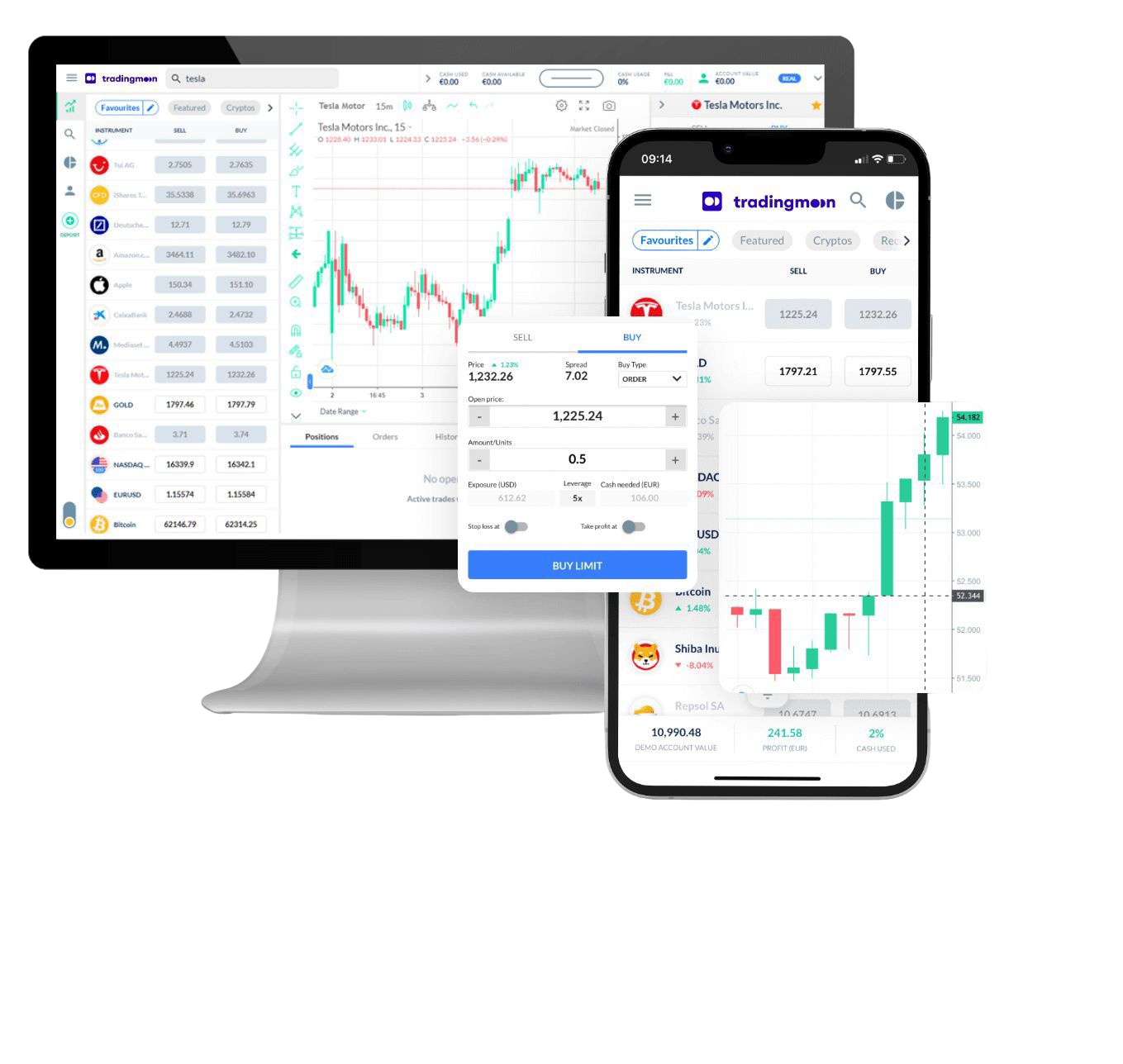
Tranzacționează [[data.name]] cu TradingMoon
Exprimați-vă opinia despre sectorul mărfurilor! Diversificați cu o singură poziție.
- Tranzacționați 24/5
- Spreaduri strânse
- Execuție medie la 5ms
- Platformă ușor de utilizat
De ce să tranzacționezi [[data.name]]
Profitați la maximum de fluctuațiile de preț - indiferent de direcția în care oscilează prețul și fără restricțiile care vin odată cu deținerea activului suport.
CFD-uri
Mărfuri fizice

Profitați de prețurile în creștere (luați o poziție long)


Capitalizați scăderea prețurilor

Tranzacționați cu efect de levier

Tranzacționează pe volatilitate

Fără comisioane
Doar spreaduri reduse

Gestionați riscul cu instrumente integrate în platformă
Posibilitatea de a seta niveluri de take profit și stop loss