


[[ data.name ]]
[[ data.ticker ]]
[[ data.price ]] [[ data.change ]] ([[ data.changePercent ]]%)
Minim: [[ data.low ]]
Maxim: [[ data.high ]]
Rezumatul prețului argintului
Rezumatul prețului argintului
Argint: preț, istoric de piață și strategii de tranzacționare
Argintul, adesea numit „aurul omului sărac", ocupă o poziție unică și adesea subevaluată în cadrul pieței globale de mărfuri. Având atât caracteristici industriale, cât și de metal prețios, prețul argintului este influențat de o interacțiune complexă de factori, de la producția manufacturieră globală până la sentimentul investitorilor. Acest rezumat își propune să ofere o privire de ansamblu completă asupra pieței argintului, analizând tendințele sale istorice, factorii-cheie și perspectivele viitoare.
Prezentare generală a pieței argintului
Piața argintului este cu adevărat globală, producția și consumul fiind răspândite pe mai multe continente. Principalele națiuni producătoare de argint includ Mexicul, Peru, China și Australia, în timp ce națiunile consumatoare cheie cuprind o gamă largă, de la India și China până la Statele Unite și Germania.
Argintul îndeplinește un rol dual în economia globală: Cererea industrială: Aproximativ 50% din consumul de argint deservește aplicații industriale. Proprietățile sale unice — conductivitate electrică și termică ridicată, reflectivitate și calități antibacteriene — îl fac indispensabil în electronice, panouri solare, echipamente medicale și chiar îmbrăcăminte.
Cererea de investiții: Cealaltă jumătate a cererii de argint provine din rolul său istoric ca rezervă de valoare și acoperire împotriva inflației. Investitorii caută refugiu în argint în perioadele de incertitudine economică, instabilitate geopolitică sau slăbire a încrederii în monedele fiat.
Această natură duală face ca piața argintului să fie deosebit de dinamică. Expansiunile economice stimulează de obicei cererea industrială, în timp ce perioadele de contracție economică sau incertitudine alimentează cererea de investiții, ducând la volatilitatea prețului.
Prețul argintului: o poveste a cererii și ofertei
Prețul argintului, la fel ca orice altă marfă, este determinat în principal de forțele cererii și ofertei. Cu toate acestea, mai mulți factori contribuie la natura sa fluctuantă:
Creșterea economică: Ca metal industrial-cheie, prețul argintului este strâns legat de sănătatea economică globală. O creștere economică solidă, în special în economiile puternic manufacturiere, precum China și India, crește cererea de argint pentru aplicații industriale, putând crește prețul acestuia. Forța dolarului american: Argintul, cotat în dolari americani, prezintă adesea o relație inversă cu valoarea dolarului. Un dolar mai puternic face argintul mai scump pentru cumpărătorii care folosesc alte monede, ceea ce poate reduce cererea și exercita presiune descendentă asupra prețurilor. Inflația: Considerat istoric o acoperire împotriva inflației, argintul tinde să se aprecieze în perioadele de creștere a prețurilor. Investitorii consideră argintul un activ tangibil care își păstrează valoarea mai bine decât monedele fiat, predispuse la devalorizare în perioadele inflaționiste. Ratele dobânzii: Ratele dobânzii mai ridicate pot afecta negativ prețurile argintului. Fiind un activ fără randament, argintul devine mai puțin atractiv comparativ cu investițiile purtătoare de dobândă atunci când ratele cresc, ceea ce poate determina investitorii să își redirecționeze capitalul dinspre acest metal. Evenimente geopolitice: Evenimentele geopolitice majore, precum războaiele, instabilitatea politică sau disputele comerciale, pot afecta semnificativ prețurile argintului. Aceste evenimente declanșează adesea cererea pentru active de refugiu, întrucât investitorii caută să își protejeze averea în vremuri incerte. Oferta de mineritul argintului: Modificările în producția de argint, determinate de factori precum noi descoperiri, progrese tehnologice sau evenimente geopolitice, pot influența oferta generală și, în consecință, prețul.
Motive pentru a cumpăra argint:
Acoperire împotriva inflației: Din punct de vedere istoric, argintul a acționat ca o acoperire împotriva inflației, păstrându-și valoarea atunci când monedele se depreciază.
Diversificarea portofoliului: Adăugarea argintului într-un portofoliu de investiții poate reduce potențial riscul general, datorită corelației scăzute cu alte clase de active, precum acțiunile și obligațiunile. Potențial de creștere industrială: Cererea în creștere de argint pentru panouri solare și alte tehnologii verzi sugerează o cerere viitoare solidă.
Motive pentru a vinde argint:
Volatilitatea pieței: Prețul argintului poate fi extrem de volatil, înregistrând fluctuații bruște în perioade scurte. Depozitare și securitate: Argintul fizic necesită o depozitare sigură, ceea ce poate implica costuri suplimentare. Costul de oportunitate: Investiția în argint ar putea însemna ratarea unor randamente potențial mai ridicate din alte active.
Istoricul pieței argintului:
Istoria argintului ca rezervă de valoare și mijloc de schimb datează de mii de ani. De la minele de argint ale Greciei antice până la dolarii de argint spanioli care au alimentat comerțul global, argintul a jucat un rol esențial în modelarea economiilor și civilizațiilor. Cu toate acestea, piața argintului a cunoscut și evenimente dramatice:
Încercarea fraților Hunt de a controla piața argintului (1979-1980): Doi frați au încercat să controleze piața argintului, ducând prețurile la un maxim istoric, înainte ca un prăbușire a pieței să le provoace ruina financiară. Ascensiunea ETF-urilor pe argint (anii 2000): Introducerea ETF-urilor pe argint a făcut ca investiția în argint să fie mai accesibilă, atrăgând un nou val de investitori. Criza financiară din 2008: Argintul, la fel ca alte active de refugiu, a înregistrat o creștere a cererii și o apreciere a prețului în timpul crizei financiare globale.
Aceste evenimente subliniază natura ciclică a pieței argintului, evidențiind importanța înțelegerii tendințelor istorice și efectuării unei cercetări amănunțite înainte de a lua orice decizie de investiție.
Tranzacționarea argintului: strategii și considerații
Tranzacționarea argintului necesită o abordare bine informată, datorită volatilității sale inerente:
Analiza fundamentală: Analizarea indicatorilor economici, a dinamicii cererii și ofertei și a evenimentelor geopolitice poate ajuta la identificarea potențialelor tendințe de preț. Analiza tehnică: Utilizarea graficelor și a datelor istorice de preț pentru a identifica modele și tendințe poate ajuta la luarea deciziilor de tranzacționare. Gestionarea riscului: Implementarea unei strategii solide de gestionare a riscului, inclusiv stabilirea ordinelor stop-loss și diversificarea investițiilor, este esențială pentru a atenua pierderile potențiale.
Argintul și mărfurile conexe
Mișcările de preț ale argintului se corelează adesea cu alte mărfuri, influențate de factori economici comuni:
Prețul aurului (XAUUSD): Din punct de vedere istoric, argintul prezintă o corelație pozitivă puternică cu aurul, mișcându-se adesea în tandem. Ambele sunt considerate active de refugiu, iar o creștere a cererii pentru unul dintre ele afectează de obicei și celălalt. Prețul petrolului Brent și prețul petrolului WTI: Fiind un metal industrial, prețurile argintului pot fi influențate de prețurile energiei, inclusiv de cel al petrolului brut. Creșterea prețurilor petrolului, reflectând adesea creșterea economică, poate majora costurile de producție, putând influența cererea și prețul argintului. Prețul gazelor naturale: La fel ca petrolul, prețurile gazelor naturale pot influența costurile de producție industrială și, ulterior, pot afecta direcția prețului argintului. Prețul platinei și prețul paladiului: Platina și paladiul, utilizate în principal în convertoarele catalitice pentru vehicule, împart unele aplicații industriale cu argintul. Prin urmare, prețurile lor pot fi influențate indirect de tendințele din sectorul auto, care, la rândul lor, pot afecta argintul. Metale de bază (prețul cuprului, prețul zincului, prețul nichelului, prețul aluminiului): Prețurile metalelor de bază, esențiale pentru diverse industrii, reflectă adesea sănătatea economică globală. La fel ca în cazul altor mărfuri industriale, există o corelație puternică între mișcările prețurilor lor și cele ale argintului. Prețul emisiilor de carbon: Accentul tot mai mare pus pe sustenabilitate și tranziția către tehnologii mai ecologice afectează atât prețurile emisiilor de carbon, cât și perspectivele pe termen lung ale argintului. Rolul crucial al argintului în panourile solare și alte soluții de energie regenerabilă îl poziționează pentru o creștere potențială într-un viitor cu constrângeri de carbon. Piața argintului, cu combinația sa unică de aplicații industriale și atractivitate ca activ de refugiu, prezintă atât oportunități, cât și provocări. Înțelegerea interacțiunii complexe a factorilor care influențează prețurile argintului, de la tendințele economice globale până la evenimentele geopolitice, este esențială atât pentru investitori, cât și pentru părțile interesate.
Pe măsură ce lumea navighează printr-o perioadă de incertitudine economică, schimbări geopolitice și un accent tot mai mare pe tehnologiile sustenabile, rolul dual al argintului îi asigură relevanța continuă pe piața globală. Deși prezicerea viitorului prețurilor argintului rămâne un demers complex, o abordare bine informată, bazată pe tendințele istorice și dinamica actuală a pieței, poate ajuta participanții la piață să navigheze prin fluctuațiile argintului și să valorifice potențial beneficiile acestuia.
| Swap lung | [[ data.swapLong ]] puncte |
|---|---|
| Swap scurt | [[ data.swapShort ]] puncte |
| Spread min | [[ data.stats.minSpread ]] |
| Spread mediu | [[ data.stats.avgSpread ]] |
| Dimensiune minimă contract | [[ data.minVolume ]] |
| Dimensiune minimă pas | [[ data.stepVolume ]] |
| Comision și swap | Comision și swap |
| Levier | Levier |
| Ore de tranzacționare | Ore de tranzacționare |
* Spread-urile furnizate reflectă media ponderată în timp. Deși TradingMoon depune eforturi pentru a oferi spread-uri competitive pe toată durata orelor de tranzacționare, clienții trebuie să rețină că acestea pot varia și sunt supuse condițiilor pieței subiacente. Cele de mai sus sunt furnizate exclusiv în scop indicativ. Clienții sunt sfătuiți să verifice anunțurile importante de știri din Calendarul nostru Economic, care pot duce la lărgirea spread-urilor, printre alte situații.
Spread-urile de mai sus se aplică în condiții normale de tranzacționare. TradingMoon își rezervă dreptul de a modifica spread-urile de mai sus în funcție de condițiile pieței, conform "Termenilor și Condițiilor".
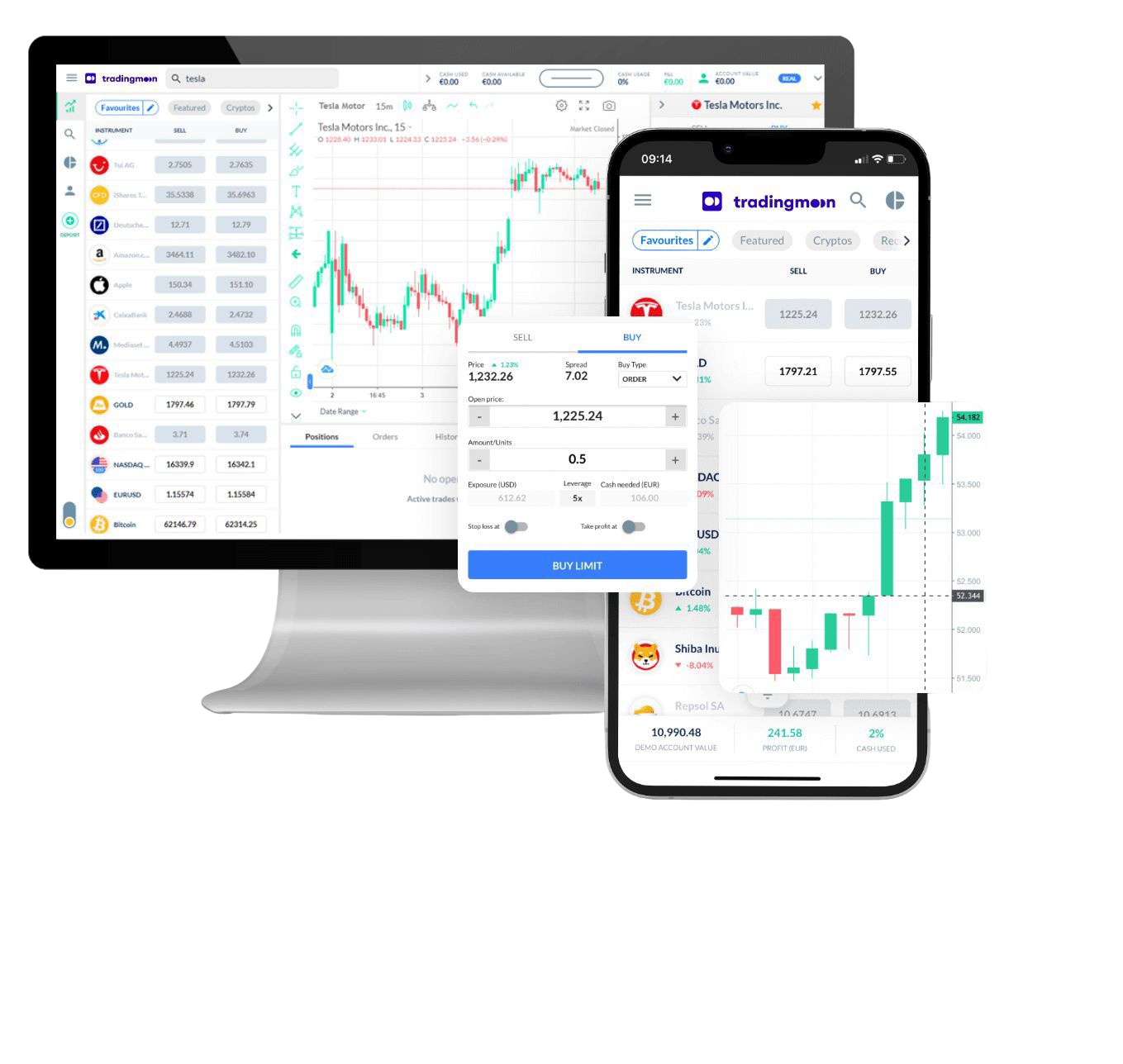
Tranzacționează [[data.name]] cu TradingMoon
Exprimați-vă opinia despre sectorul mărfurilor! Diversificați cu o singură poziție.
- Tranzacționați 24/5
- Spreaduri strânse
- Execuție medie la 5ms
- Platformă ușor de utilizat
De ce să tranzacționezi [[data.name]]
Profitați la maximum de fluctuațiile de preț - indiferent de direcția în care oscilează prețul și fără restricțiile care vin odată cu deținerea activului suport.
CFD-uri
Mărfuri fizice

Profitați de prețurile în creștere (luați o poziție long)


Capitalizați scăderea prețurilor

Tranzacționați cu efect de levier

Tranzacționează pe volatilitate

Fără comisioane
Doar spreaduri reduse

Gestionați riscul cu instrumente integrate în platformă
Posibilitatea de a seta niveluri de take profit și stop loss