


[[ data.name ]]
[[ data.ticker ]]
[[ data.price ]] [[ data.change ]] ([[ data.changePercent ]]%)
Minim: [[ data.low ]]
Maxim: [[ data.high ]]
O analiză aprofundată a prețurilor zahărului: Tendințe actuale și dinamici de piață
Zahărul, un element de bază al tranzacționării globale de mărfuri, joacă un rol critic pe piețele financiare. De la îndulcitori în alimente și băuturi până la rolul său esențial în producția de etanol, piața zahărului prezintă o complexitate influențată de o multitudine de factori economici, climatici și geopolitici. Acest articol oferă o analiză detaliată a pieței zahărului, inclusiv tendințele sale, interconexiunile cu mărfurile conexe și perspective asupra mișcărilor de prețuri.
Prețul zahărului pe piața financiară
Zahărul este o marfă importantă pe piețele financiare globale, tranzacționată în principal pe burse precum ICE (Intercontinental Exchange). Sugar No. 11 reprezintă contracte futures pentru zahăr brut, în timp ce Sugar No. 16 se referă la zahărul alb rafinat. Aceste contracte permit producătorilor, rafinăriilor și traderilor să se acopere împotriva volatilității prețurilor sau să speculeze asupra tendințelor viitoare ale prețurilor.
Aspectele cheie ale tranzacționării zahărului pe piețele financiare includ:
- Acoperirea riscurilor (Hedging): Producătorii și consumatorii utilizează contracte futures pe zahăr pentru a se proteja împotriva fluctuațiilor de prețuri cauzate de condiții meteorologice, perturbări ale lanțului de aprovizionare și schimbări de politici.
- Speculație: Traderii profită adesea de volatilitatea prețului zahărului pentru câștig, influențați atât de factori fundamentali (dinamica cererii și ofertei), cât și de indicatori tehnici de piață.
Integrarea zahărului în sectorul energiei regenerabile, în special în producția de etanol, creează legături puternice între prețul său și tendințele petrolului brut. Țări precum Brazilia, unde producția de etanol pe bază de trestie de zahăr este semnificativă, influențează adesea prețurile globale ale zahărului datorită acestei interdependențe.
Tendințele actuale ale pieței zahărului
Piața zahărului în 2024 a fost marcată de o volatilitate semnificativă a prețurilor. Prețurile au crescut în principal din cauza perturbărilor climatice și a schimbărilor de politici din națiunile producătoare majore, precum Brazilia și India.
1. Provocări în producție:
- India: Musonii neregulați și restricțiile la export au redus oferta globală de zahăr. India, unul dintre cei mai mari producători de zahăr, a limitat recent exporturile pentru a prioritiza nevoile interne, amplificând îngrijorările privind oferta.
- Brazilia: Un real brazilian puternic a redus competitivitatea exporturilor sale de zahăr. Cu toate acestea, condițiile meteorologice favorabile au susținut volume robuste de producție.
2. Cererea de bioetanol:
Cererea crescândă de etanol în sectorul energiei regenerabile a tensionat și mai mult oferta de zahăr. Guvernele din întreaga lume promovează combustibili cu adaos de etanol pentru a reduce emisiile de carbon, afectând direct alocarea trestiei de zahăr pentru producția de zahăr.
3. Evenimente geopolitice:
Tensiunile politice și restricțiile comerciale au perturbat lanțurile de aprovizionare, stimulând activitatea speculativă pe piețele futures. Contractele futures pe zahăr sunt tranzacționate în prezent în jurul valorii de $25-$26 pe liră, reflectând un sentiment de piață optimist. Utilizarea unui calculator de prețuri pentru zahăr poate ajuta traderii să evalueze marjele de profit în lumina acestor dinamici.
Factori care influențează prețurile zahărului și piața zahărului
Prețurile zahărului sunt influențate de o varietate de factori complecși și interrelaționați:
- Vremea și clima: Producția de trestie de zahăr depinde în mare măsură de condiții meteorologice favorabile. Secetele, inundațiile și uraganele pot afecta semnificativ randamentele. De exemplu, producția redusă a Indiei în 2024 a fost atribuită precipitațiilor insuficiente în timpul sezonului de muson.
- Politici guvernamentale: Politicile privind subvențiile, tarifele și interdicțiile la export joacă un rol crucial în determinarea prețurilor de piață. Restricțiile la export ale Indiei și politicile de etanol ale Braziliei sunt exemple clare de schimbări de prețuri determinate de politici.
- Cursurile de schimb valutar: Ca marfă tranzacționată la nivel global, prețurile zahărului sunt influențate de fluctuațiile valutare. Un real brazilian mai puternic a afectat competitivitatea exporturilor, stimulând indirect prețurile globale.
- Prețurile energiei: Rolul dual al trestiei de zahăr pe piețele alimentare și de biocombustibili leagă prețul său de tendințele energetice. Creșterea prețurilor petrolului brut stimulează adesea cererea de zahăr pentru producția de etanol.
Studierea istoricului zahărului relevă cicluri recurente de creșteri și scăderi ale prețurilor, modelate de acești factori. Înțelegerea tendințelor istorice este esențială pentru dezvoltarea unei strategii robuste de tranzacționare a zahărului.
Alte mărfuri conexe afectate de mișcările de preț ale zahărului
Mișcările de preț ale zahărului au impact de amploare asupra altor mărfuri:
- Porumb: Zahărul și porumbul sunt ambele materii prime majore pentru producția de etanol. O creștere a prețurilor zahărului redirecționează adesea cererea către porumb, crescând prețurile acestuia.
- Petrol brut: Prețurile mai mari ale petrolului brut stimulează producția de etanol, ceea ce poate tensiona oferta de zahăr alocată pentru uz industrial.
- Cafea și cacao: Ca mărfuri moi, cafeaua și prețurile cacaoului oglindesc adesea tendințele zahărului datorită dependențelor climatice comune și regiunilor de producție.
Pentru cei care doresc să cumpere sau să vândă zahăr, înțelegerea interconexiunilor sale cu aceste mărfuri este esențială pentru planificarea strategică.
Instrumente strategice și perspective pentru participanții la piața zahărului
Navigarea eficientă a pieței zahărului necesită utilizarea instrumentelor analitice și a perspectivelor de piață:
1. Analitica predictivă: Instrumentele pentru predicția prețului zahărului, precum modelele bazate pe inteligență artificială, analizează datele istorice și tendințele de piață pentru a prognoza mișcările de prețuri. 2. Calculator de prețuri pentru zahăr: Acest instrument permite traderilor să calculeze profiturile sau pierderile potențiale în funcție de condițiile de piață, oferind un avantaj practic pe piețele dinamice. 3. Analiză tehnică: Grafice precum graficul argint-zahăr oferă perspective valoroase asupra corelațiilor și tendințelor de prețuri, facilitând luarea deciziilor informate.
Dezvoltarea unei strategii cuprinzătoare de tranzacționare a zahărului care încorporează aceste instrumente poate îmbunătăți semnificativ rezultatele atât pentru traderii pe termen scurt, cât și pentru investitorii pe termen lung.
Concluzie
Complexitatea pieței zahărului și interconexiunile sale cu tendințele mai largi ale mărfurilor o fac un domeniu fascinant, dar provocator pentru investitori și traderi. Înțelegând factorii care determină prețurile zahărului, rămânând la curent cu tendințele de piață și valorificând instrumentele predictive, participanții la piață pot naviga mai bine în acest peisaj dinamic.
Indiferent dacă explorați zahărul ca marfă moale sau luați în considerare rolul său pe piețele energetice, perspectivele strategice și analiza în timp util sunt esențiale pentru succes. Pe măsură ce cererea globală crește și provocările climatice persistă, piața zahărului va continua să fie un domeniu vital de interes pentru traderii de mărfuri și analiștii financiari.
| Swap lung | [[ data.swapLong ]] puncte |
|---|---|
| Swap scurt | [[ data.swapShort ]] puncte |
| Spread min | [[ data.stats.minSpread ]] |
| Spread mediu | [[ data.stats.avgSpread ]] |
| Dimensiune minimă contract | [[ data.minVolume ]] |
| Dimensiune minimă pas | [[ data.stepVolume ]] |
| Comision și swap | Comision și swap |
| Levier | Levier |
| Ore de tranzacționare | Ore de tranzacționare |
* Spread-urile furnizate reprezintă o reflectare a mediei ponderate în timp. Deși TradingMoon încearcă să ofere spread-uri competitive pe parcursul tuturor orelor de tranzacționare, clienții trebuie să rețină că acestea pot varia și sunt susceptibile la condițiile pieței suport. Informațiile de mai sus sunt furnizate exclusiv în scopuri orientative. Clienții sunt sfătuiți să verifice anunțurile importante din Calendarul nostru Economic, care pot conduce, printre altele, la lărgirea spread-urilor.
Spread-urile de mai sus sunt aplicabile în condiții normale de tranzacționare. TradingMoon își rezervă dreptul de a modifica spread-urile de mai sus în funcție de condițiile de piață, conform „Termenilor și Condițiilor".
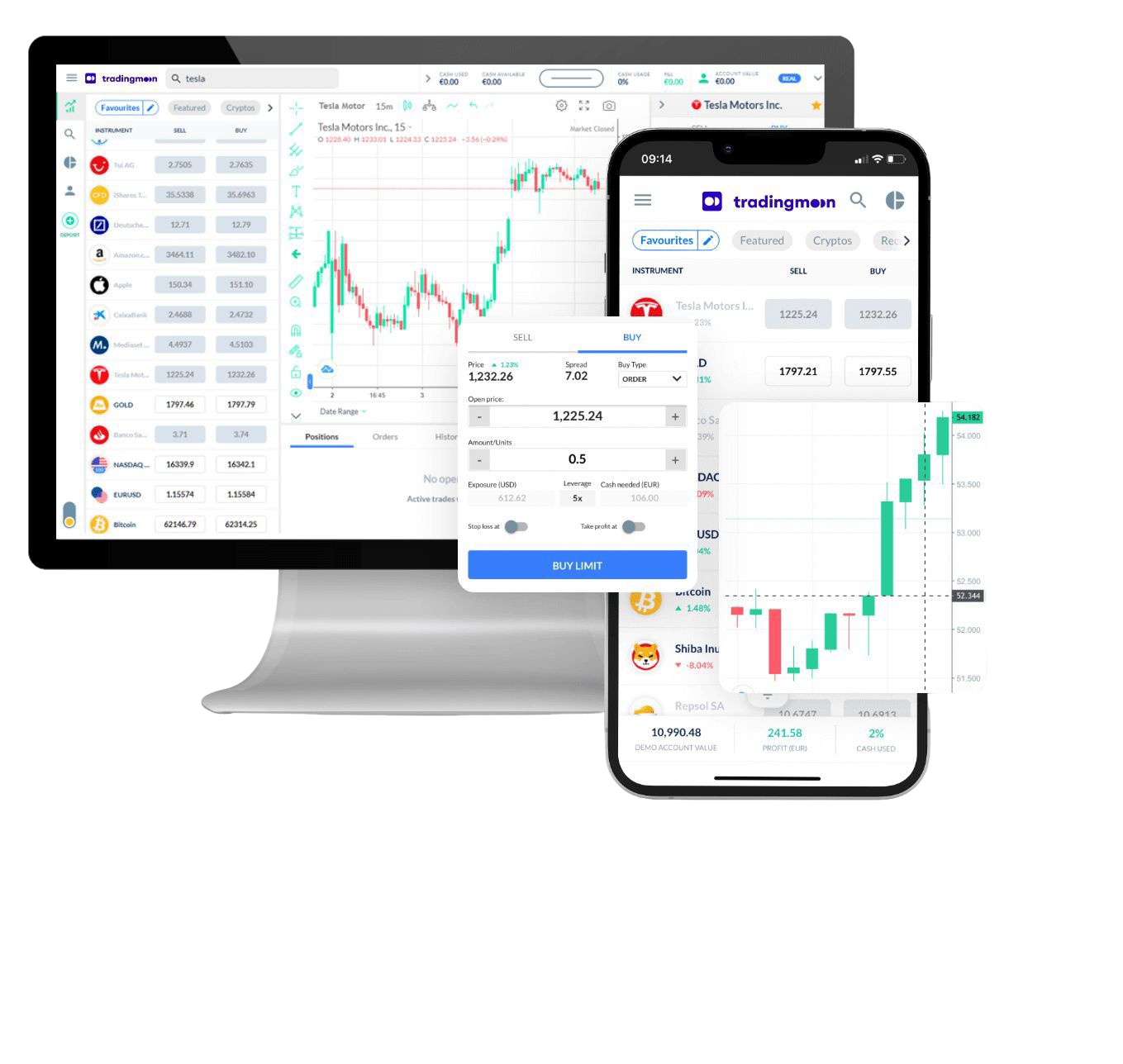
Tranzacționează [[data.name]] cu TradingMoon
Exprimați-vă opinia despre sectorul mărfurilor! Diversificați cu o singură poziție.
- Tranzacționați 24/5
- Spreaduri strânse
- Execuție medie la 5ms
- Platformă ușor de utilizat
De ce să tranzacționezi [[data.name]]
Profitați la maximum de fluctuațiile de preț - indiferent de direcția în care oscilează prețul și fără restricțiile care vin odată cu deținerea activului suport.
CFD-uri
Mărfuri fizice

Profitați de prețurile în creștere (luați o poziție long)


Capitalizați scăderea prețurilor

Tranzacționați cu efect de levier

Tranzacționează pe volatilitate

Fără comisioane
Doar spreaduri reduse

Gestionați riscul cu instrumente integrate în platformă
Posibilitatea de a seta niveluri de take profit și stop loss